English
English
Español
Português
русский
français
日本語
Deutsch
Tiếng Việt
Italiano
Nederlands
ไทย
Polski
한국어
Svenska
magyar
Malay
বাংলা
Dansk
Suomi
हिन्दी
Pilipino
Türk
Gaeilge
عربى
Indonesia
norsk
اردو
čeština
Ελληνικά
Українська
Javanese
فارسی
தமிழ்
తెలుగు
नेपाली
Burmese
български
ລາວ
Latine
Қазақ
Euskal
Azərbaycan
slovenský
Македонски
Lietuvos
Eesti Keel
Română
Slovenski
मराठी
Српски
Esperanto
Afrikaans
Català
עִברִית
Cymraeg
Galego
Latvietis
icelandic
יידיש
Беларус
Hrvatski
Kreyòl ayisyen
Shqiptar
Malti
lugha ya Kiswahili
አማርኛ
Bosanski
Frysk
ជនជាតិខ្មែរ
ქართული
ગુજરાતી
Hausa
Кыргыз тили
ಕನ್ನಡ
Corsa
Kurdî
മലയാളം
Maori
Монгол хэл
Hmong
IsiXhosa
Zulu
Punjabi
پښتو
Chichewa
Samoa
Sesotho
සිංහල
Gàidhlig
Cebuano
Somali
Точик
O'zbek
Hawaiian
سنڌي
Shinra
հայերեն
Igbo
Sundanese
Lëtzebuergesch
Malagasy
Yoruba
Javanese
Banbala
Pokjoper
Divih
Philippine
Gwadani
Elokano

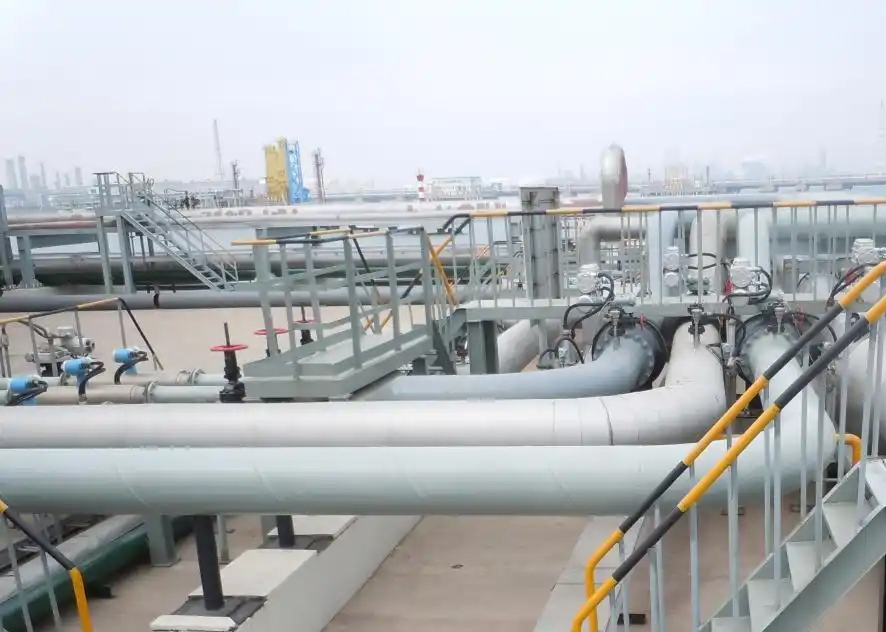
In the chemical, pharmaceutical, and grain and oil industries, liquid infusion pipelines transport media with special physicochemical properties that are prone to solidification and increased viscosity at low temperatures, directly affecting transportation efficiency. Traditional insulation can only slow down the temperature drop and cannot precisely control temperature, making it highly susceptible to various operational hazards. Special electric heat tracing technology is suitable for meeting the needs of constant temperature transportation, antifreeze, and anti-condensation for infusion pipelines under all operating conditions.

Combining medium property selection is a core technical aspect of heat tracing for infusion pipelines. For pipelines transporting clean pharmaceutical reagents and food and drug solutions, high hygiene standards are required. Modified food-grade sheath self-regulating heat tracing belts are selected, which have no harmful substances leaching out, are resistant to cleaning, have a controllable constant temperature range, and will not damage the components of the solution at high temperatures. For ordinary oily and chemical weak acid infusion pipelines, anti-corrosion and flame-retardant heat tracing belts are selected to resist the volatilization and corrosion of the medium on the outer surface. For flammable and explosive organic solvent infusion pipelines, explosion-proof qualified heat tracing belts must be used to prevent electric sparks from igniting the medium vapor.
Accurately determine the heat tracing power to match the temperature maintenance standards of the medium. For low-viscosity clear water and low-salt chemical solutions, which have low temperature maintenance requirements, a low-power heat tracing belt of 10-15W/m can be selected, provided that the pipeline insulation is intact, to prevent the pipeline from freezing. For pipelines transporting oils, fats, syrups, and viscous chemical raw materials, which have a high risk of sedimentation and agglomeration at low temperatures, a medium-power heat tracing belt of 20-25W/m should be used to stably compensate for heat loss in the pipeline and maintain the fluidity of the medium. For high-freezing-point special media, a constant-power heat tracing belt is required to provide constant heat supply and eliminate temperature fluctuations that could affect the purity of the medium.
Standardized and conformable laying ensures constant temperature infusion throughout the entire area. The infusion pipes are mostly made of stainless steel and UPVC, which are dedicated clean materials. It is prohibited to bundle or squeeze the pipe walls during laying. Aluminum foil thermal conductive tape is used to fully cover and conform to the wiring, with a focus on parallel laying of single lines. Winding or wrapping the pipes is strictly prohibited to avoid local overheating and deterioration of the infusion solution. At heat dissipation points such as pipeline filters, pressure regulating valves, and sampling ports, the length of the heat tracing band is extended to eliminate low-temperature dead zones and prevent medium condensation and blockage at the valve position. Plastic infusion pipes need to be equipped with thermal insulation gaskets to prevent the heat tracing band from softening the pipe material due to high temperatures.
Temperature control linkage technology meets the requirements of infusion processes. Unlike the extensive temperature control of ordinary pipelines, infusion pipelines adopt intelligent temperature controllers that measure temperature through the pipe wall, rather than ambient temperature, to precisely control the temperature of the medium inside the pipe wall. Pharmaceutical sterile pipelines are set with a narrow constant temperature range to avoid excessive temperature differences that could alter the physicochemical properties of the drug solution. Chemical infusion pipelines are equipped with an overtemperature self-locking function, which automatically cuts off power when the temperature exceeds the limit, thus avoiding the risks of medium deterioration and volatilization, and adapting to the pace of automated assembly line conveyance in the workshop.
Special construction requirements for sealing protection and power distribution. The infusion workshop is mostly a clean, explosion-proof enclosed space. The junction boxes and terminal heads for the heat tracing cables should be of sealed and explosion-proof design to prevent water vapor and medium dust from entering the wiring points. The heat tracing circuits should be independently powered, equipped with leakage protection and overload protection switches, and the circuits in the clean workshop should be insulated and sealed for corrosion protection. The insulation layer should be made of closed-cell clean insulation material, which is waterproof and dustproof to avoid impurity contamination of the infusion pipeline and meets the workshop hygiene acceptance standards.
The operation and maintenance of the sub-area is adapted to the multi-channel infusion pipeline network. In the factory area, there are multiple infusion pipelines for different media, and it is strictly prohibited to share a single heat tracing circuit. Temperature control and independent start-stop operations must be implemented for each pipeline. Before winter, the insulation resistance of the lines should be tested, the dust and oil on the exterior of the pipelines should be cleaned, and the integrity of the joint seals should be checked to avoid moisture and sparking. Heat tracing parameters for different media should be separately documented, and temperature should be adjusted as needed to reduce ineffective energy consumption.
The electric heat tracing system for infusion pipelines emphasizes three core technical standards: constant temperature, safety, and cleanliness. With on-demand model selection, precise temperature control, and standardized installation, it not only prevents medium solidification and blockage but also ensures medium quality compliance. It is suitable for all-weather safe transportation of infusion pipelines in the pharmaceutical, chemical, and food industries.