English
English
Español
Português
русский
français
日本語
Deutsch
Tiếng Việt
Italiano
Nederlands
ไทย
Polski
한국어
Svenska
magyar
Malay
বাংলা
Dansk
Suomi
हिन्दी
Pilipino
Türk
Gaeilge
عربى
Indonesia
norsk
اردو
čeština
Ελληνικά
Українська
Javanese
فارسی
தமிழ்
తెలుగు
नेपाली
Burmese
български
ລາວ
Latine
Қазақ
Euskal
Azərbaycan
slovenský
Македонски
Lietuvos
Eesti Keel
Română
Slovenski
मराठी
Српски
Esperanto
Afrikaans
Català
עִברִית
Cymraeg
Galego
Latvietis
icelandic
יידיש
Беларус
Hrvatski
Kreyòl ayisyen
Shqiptar
Malti
lugha ya Kiswahili
አማርኛ
Bosanski
Frysk
ជនជាតិខ្មែរ
ქართული
ગુજરાતી
Hausa
Кыргыз тили
ಕನ್ನಡ
Corsa
Kurdî
മലയാളം
Maori
Монгол хэл
Hmong
IsiXhosa
Zulu
Punjabi
پښتو
Chichewa
Samoa
Sesotho
සිංහල
Gàidhlig
Cebuano
Somali
Точик
O'zbek
Hawaiian
سنڌي
Shinra
հայերեն
Igbo
Sundanese
Lëtzebuergesch
Malagasy
Yoruba
Javanese
Banbala
Pokjoper
Divih
Philippine
Gwadani
Elokano

High‑performance heating cables alone cannot guarantee system reliability in explosive atmospheres. Connection, control and installation accessories are critical weak links for heat‑tracing projects inside petrochemical refineries, chemical plants and oil‑gas processing sites. Standard supporting components cover explosion‑proof power junction boxes including FDH‑40‑E and FDH‑40‑C series, intermediate junction boxes, T‑type branch boxes, explosion‑proof terminal kits and terminal kits with LED indicator lights for circuit status visualisation.
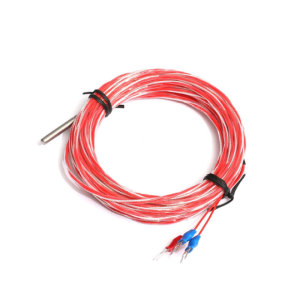
For temperature control loops, explosion‑proof thermostats and temperature controllers cooperate with PT100 sensors to realise automatic temperature set‑point maintenance and circuit on‑off management for heat‑tracing circuits. Auxiliary installation supplies include glass‑fiber adhesive tapes, aluminium‑foil tapes, pressure‑sensitive tapes, stainless‑steel fixing clips, silicone sealing compounds and distribution control cabinets. These auxiliary materials secure cable fitting, enhance heat transfer between heating tape and pipeline surface, seal junction enclosures against moisture and corrosive gas ingress.
In hazardous classified zones, ordinary non‑explosion‑proof junction boxes may generate ignition risks from loose terminals or short‑circuit faults. Certified explosion‑proof enclosures contain sparks internally to avoid igniting surrounding flammable vapour. International project specifications now demand whole‑system hazardous‑area compliance rather than only individual heating‑cable certification. Full‑range accessory portfolios simplify system matching for global EPC contractors, unifying component supply and supporting documentation for large‑scale petrochemical and environmental‑protection projects.