English
English
Español
Português
русский
français
日本語
Deutsch
Tiếng Việt
Italiano
Nederlands
ไทย
Polski
한국어
Svenska
magyar
Malay
বাংলা
Dansk
Suomi
हिन्दी
Pilipino
Türk
Gaeilge
عربى
Indonesia
norsk
اردو
čeština
Ελληνικά
Українська
Javanese
فارسی
தமிழ்
తెలుగు
नेपाली
Burmese
български
ລາວ
Latine
Қазақ
Euskal
Azərbaycan
slovenský
Македонски
Lietuvos
Eesti Keel
Română
Slovenski
मराठी
Српски
Esperanto
Afrikaans
Català
עִברִית
Cymraeg
Galego
Latvietis
icelandic
יידיש
Беларус
Hrvatski
Kreyòl ayisyen
Shqiptar
Malti
lugha ya Kiswahili
አማርኛ
Bosanski
Frysk
ជនជាតិខ្មែរ
ქართული
ગુજરાતી
Hausa
Кыргыз тили
ಕನ್ನಡ
Corsa
Kurdî
മലയാളം
Maori
Монгол хэл
Hmong
IsiXhosa
Zulu
Punjabi
پښتو
Chichewa
Samoa
Sesotho
සිංහල
Gàidhlig
Cebuano
Somali
Точик
O'zbek
Hawaiian
سنڌي
Shinra
հայերեն
Igbo
Sundanese
Lëtzebuergesch
Malagasy
Yoruba
Javanese
Banbala
Pokjoper
Divih
Philippine
Gwadani
Elokano

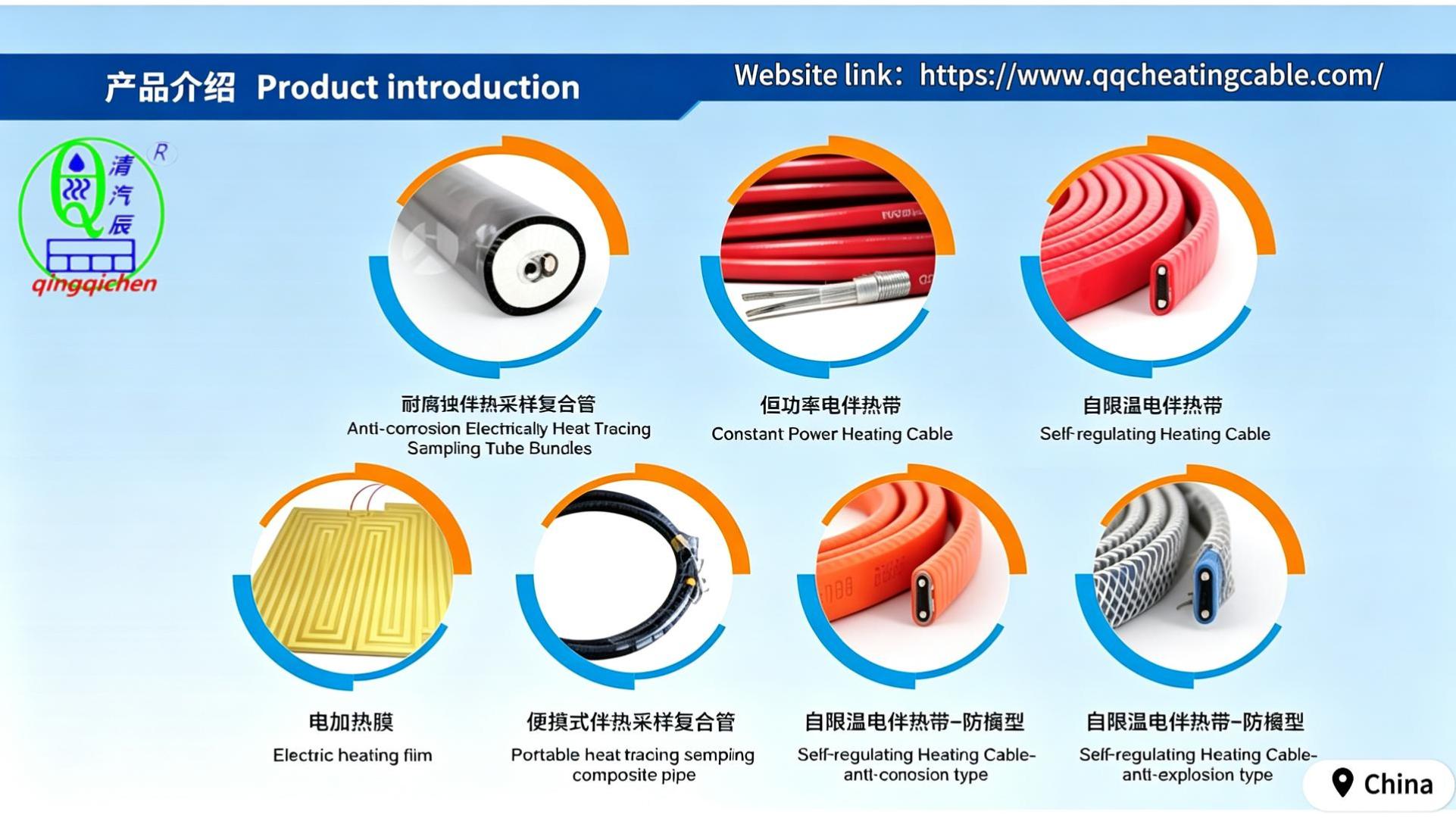
Radiant electric heating gains wider acceptance in residential and commercial building sectors for improved thermal comfort and zoning‑control capability. The product scope includes TXLP single‑conductor and TXLP/2R dual‑conductor heating cables, aluminum‑foil heating mats, single‑conductor heating mat series, graphene heating films and multiple low‑voltage 24V/36V heating‑film options. Self‑regulating heating cables and PTC liquid‑circulation radiant floor‑heating systems optimize energy consumption by dynamically adjusting heat output matching actual indoor temperature. Different product variants fit concrete floor embedding, floor‑tile back‑mounting and other installation processes. For outdoor civil‑engineering scenarios, road‑surface and garage‑floor snow‑melting heating cables eliminate manual snow‑removal workload and reduce slip‑fall safety hazards. Low‑voltage product models enhance safety for places where personnel may touch heated surfaces. When paired with external temperature controllers, these heating systems support scheduled operation and zone‑by‑zone temperature adjustment. Compared with traditional forced‑air heating equipment, electric radiant heating avoids air‑dust circulation and concentrates heat near human‑activity zones. Building contractors and property operators can select corresponding heating‑mat, heating‑cable or heating‑film solutions based on project budget, floor structure and local climate characteristics.