English
English
Español
Português
русский
français
日本語
Deutsch
Tiếng Việt
Italiano
Nederlands
ไทย
Polski
한국어
Svenska
magyar
Malay
বাংলা
Dansk
Suomi
हिन्दी
Pilipino
Türk
Gaeilge
عربى
Indonesia
norsk
اردو
čeština
Ελληνικά
Українська
Javanese
فارسی
தமிழ்
తెలుగు
नेपाली
Burmese
български
ລາວ
Latine
Қазақ
Euskal
Azərbaycan
slovenský
Македонски
Lietuvos
Eesti Keel
Română
Slovenski
मराठी
Српски
Esperanto
Afrikaans
Català
עִברִית
Cymraeg
Galego
Latvietis
icelandic
יידיש
Беларус
Hrvatski
Kreyòl ayisyen
Shqiptar
Malti
lugha ya Kiswahili
አማርኛ
Bosanski
Frysk
ជនជាតិខ្មែរ
ქართული
ગુજરાતી
Hausa
Кыргыз тили
ಕನ್ನಡ
Corsa
Kurdî
മലയാളം
Maori
Монгол хэл
Hmong
IsiXhosa
Zulu
Punjabi
پښتو
Chichewa
Samoa
Sesotho
සිංහල
Gàidhlig
Cebuano
Somali
Точик
O'zbek
Hawaiian
سنڌي
Shinra
հայերեն
Igbo
Sundanese
Lëtzebuergesch
Malagasy
Yoruba
Javanese
Banbala
Pokjoper
Divih
Philippine
Gwadani
Elokano

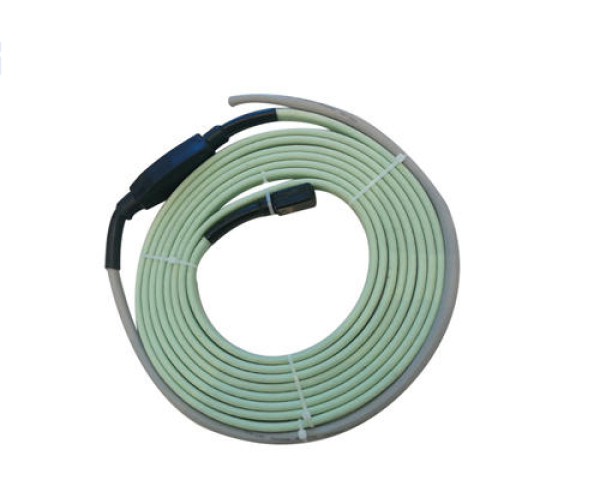
As process industries worldwide pursue lower‑emission thermal management infrastructure, electric heat tracing continues to displace steam‑based tracing solutions across chemical plants, refineries and industrial parks. Self‑regulating heating cables built with proprietary polymer PTC cores modify heat generation dynamically responding to ambient temperature shifts: heat output rises under cold conditions and drops when surrounding temperature climbs, removing the requirement for complex external temperature controllers and mitigating thermal runaway hazards on‑site. EPI self‑regulating cable series support arbitrary‑length field cutting, enhancing material utilization for irregular pipeline layouts. These products hold international certifications covering explosion‑proof performance, electromagnetic compatibility and environmental compliance, making them suitable for freeze‑protection and medium temperature maintenance in general industrial sites as well as classified hazardous zones. Global engineering contractors increasingly prioritize such self‑limiting tracing hardware to reduce operational power expenditure while improving long‑term system reliability for continuous industrial production cycles.