English
English
Español
Português
русский
français
日本語
Deutsch
Tiếng Việt
Italiano
Nederlands
ไทย
Polski
한국어
Svenska
magyar
Malay
বাংলা
Dansk
Suomi
हिन्दी
Pilipino
Türk
Gaeilge
عربى
Indonesia
norsk
اردو
čeština
Ελληνικά
Українська
Javanese
فارسی
தமிழ்
తెలుగు
नेपाली
Burmese
български
ລາວ
Latine
Қазақ
Euskal
Azərbaycan
slovenský
Македонски
Lietuvos
Eesti Keel
Română
Slovenski
मराठी
Српски
Esperanto
Afrikaans
Català
עִברִית
Cymraeg
Galego
Latvietis
icelandic
יידיש
Беларус
Hrvatski
Kreyòl ayisyen
Shqiptar
Malti
lugha ya Kiswahili
አማርኛ
Bosanski
Frysk
ជនជាតិខ្មែរ
ქართული
ગુજરાતી
Hausa
Кыргыз тили
ಕನ್ನಡ
Corsa
Kurdî
മലയാളം
Maori
Монгол хэл
Hmong
IsiXhosa
Zulu
Punjabi
پښتو
Chichewa
Samoa
Sesotho
සිංහල
Gàidhlig
Cebuano
Somali
Точик
O'zbek
Hawaiian
سنڌي
Shinra
հայերեն
Igbo
Sundanese
Lëtzebuergesch
Malagasy
Yoruba
Javanese
Banbala
Pokjoper
Divih
Philippine
Gwadani
Elokano

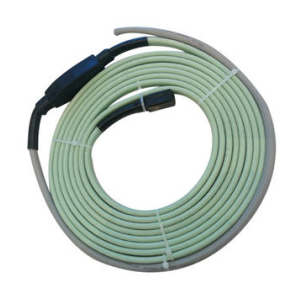
Demanding field conditions including extreme cold ambient temperatures, chemical media erosion and explosion‑prone atmospheres create strict technical barriers for pipeline heat‑tracing hardware. HGC‑1 and HGC‑3 series series‑connected heat‑tracing cables are built to tackle these multi‑dimensional industrial challenges.
Metallic braided shielding embedded within cable structures delivers reliable grounding performance. Optional external fluoroplastic sleeves strengthen resistance against chemical corrosion and underground‑installation mechanical degradation, broadening adaptability for chemical plant piping, buried utility pipelines and outdoor exposed process lines.
Broad‑spectrum voltage options accommodate diverse global industrial power‑supply standards. The hardware can sustain 100 °C process‑maintained temperature and survive transient peak temperatures up to 205 °C. Contractors can complete field installation even under ambient temperatures as low as ‑50 °C, supporting winter‑season construction in frigid‑climate regions.
Compliant with Zone 1 and Zone 2 hazardous‑area application requirements, these tracing cables eliminate frequent intermediate power taps required by parallel‑resistance tracing products. Single‑feed circuits can reach 3600 meters, which cuts accessory count and on‑site construction workload for long‑distance piping networks.
Standardized cold‑end connection workflows are critical for long‑term operational stability. Proper conductor exposure, copper‑ferrule crimping, tape wrapping and multi‑layer heat‑shrink sealing prevent joint‑point failures commonly seen in series heat‑tracing systems. Engineering teams highlight that correct termination preserves cable lifespan and reduces unplanned maintenance for remote‑located industrial assets.
Market feedback shows rising adoption of series‑type constant‑power heat‑tracing within global energy‑transport and heavy‑chemical sectors, as project owners seek resilient thermal‑management hardware for remote‑site critical‑process piping infrastructure.