English
English
Español
Português
русский
français
日本語
Deutsch
Tiếng Việt
Italiano
Nederlands
ไทย
Polski
한국어
Svenska
magyar
Malay
বাংলা
Dansk
Suomi
हिन्दी
Pilipino
Türk
Gaeilge
عربى
Indonesia
norsk
اردو
čeština
Ελληνικά
Українська
Javanese
فارسی
தமிழ்
తెలుగు
नेपाली
Burmese
български
ລາວ
Latine
Қазақ
Euskal
Azərbaycan
slovenský
Македонски
Lietuvos
Eesti Keel
Română
Slovenski
मराठी
Српски
Esperanto
Afrikaans
Català
עִברִית
Cymraeg
Galego
Latvietis
icelandic
יידיש
Беларус
Hrvatski
Kreyòl ayisyen
Shqiptar
Malti
lugha ya Kiswahili
አማርኛ
Bosanski
Frysk
ជនជាតិខ្មែរ
ქართული
ગુજરાતી
Hausa
Кыргыз тили
ಕನ್ನಡ
Corsa
Kurdî
മലയാളം
Maori
Монгол хэл
Hmong
IsiXhosa
Zulu
Punjabi
پښتو
Chichewa
Samoa
Sesotho
සිංහල
Gàidhlig
Cebuano
Somali
Точик
O'zbek
Hawaiian
سنڌي
Shinra
հայերեն
Igbo
Sundanese
Lëtzebuergesch
Malagasy
Yoruba
Javanese
Banbala
Pokjoper
Divih
Philippine
Gwadani
Elokano

Against the backdrop of global residential energy-saving renovation and low-carbon building policies, electric underfloor heating gradually replaces traditional fossil fuel heating solutions in cold-climate regions of Europe, North America and Northern Asia. EPI Heating Cable launches a full range of living home heating products to satisfy differentiated household heating demands of various housing types.
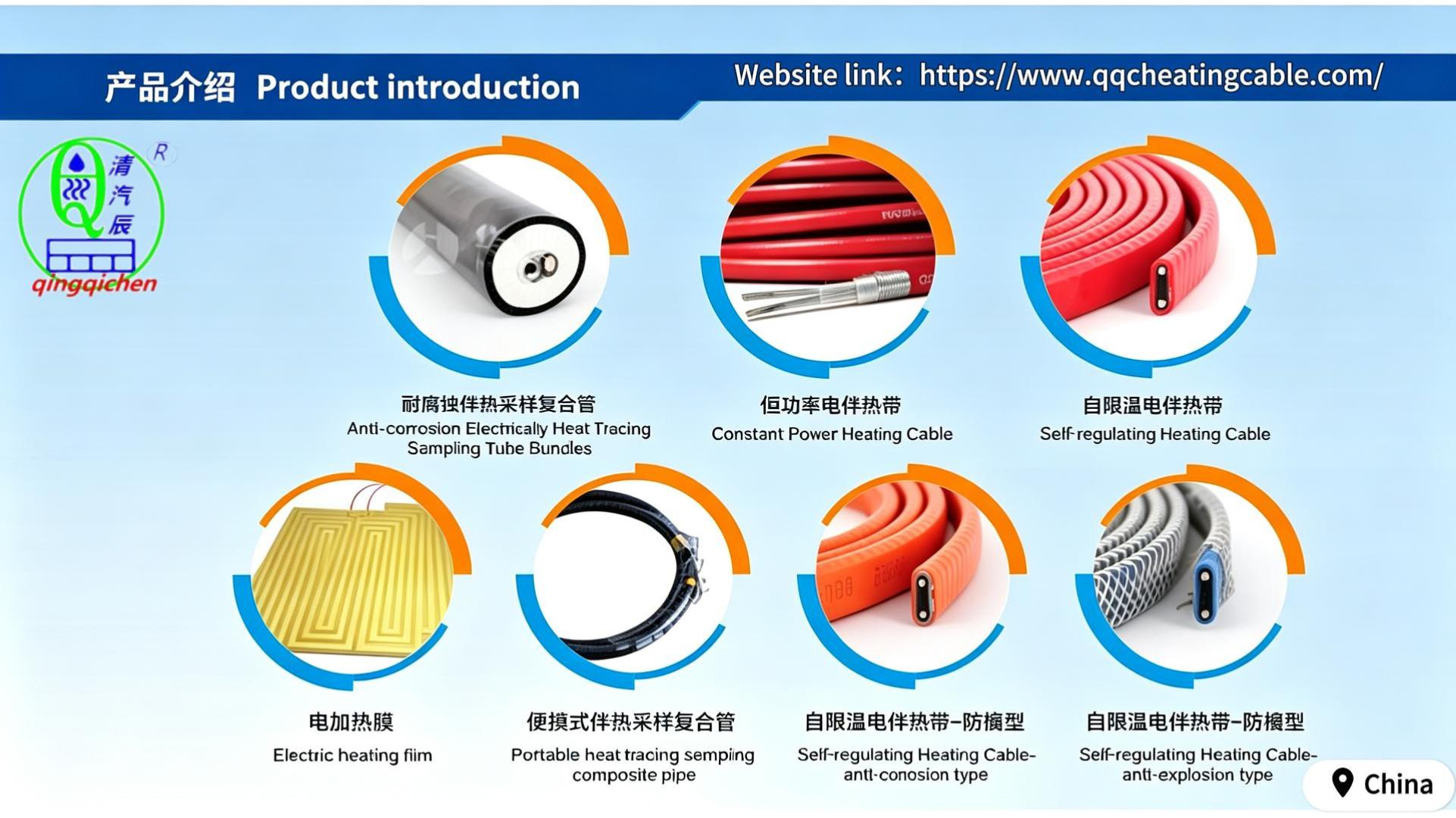
Low-voltage 24V and 36V heating cables eliminate electric leakage risks for family use, with low power density designs to cut long-term household electricity expenditure. TXLP single-conductor and double-conductor heating cables support embedded floor laying for large-area villa underfloor heating systems, while aluminum foil integrated heating mats realize rapid on-site installation without complex ground pre-processing, suitable for small apartment renovation projects. Graphene heating films deliver far-infrared uniform heating with higher thermal conversion efficiency than conventional plastic heating films, becoming a popular eco-friendly heating material for high-end residential projects. Supplementary self-regulating heat tracing cables prevent water pipe freezing inside residential buildings, and silicone parallel heating wires serve bathroom and kitchen local auxiliary heating scenarios.
All household heating series adopt flame-retardant insulation materials and pass international residential electrical safety certifications, addressing two core pain points of overseas families: high heating energy consumption and hidden electrical safety hazards. Industry statistics indicate the residential segment contributes nearly 30% of global electric heating cable market growth, as governments roll out subsidies for clean electric heating renovation. The modular home heating product line supports mixed matching of heating cables, heating mats and heating films, enabling construction contractors to design personalized low-carbon heating systems according to local climate and housing area conditions, and has gained wide recognition in cross-border residential engineering procurement markets.