English
English
Español
Português
русский
français
日本語
Deutsch
Tiếng Việt
Italiano
Nederlands
ไทย
Polski
한국어
Svenska
magyar
Malay
বাংলা
Dansk
Suomi
हिन्दी
Pilipino
Türk
Gaeilge
عربى
Indonesia
norsk
اردو
čeština
Ελληνικά
Українська
Javanese
فارسی
தமிழ்
తెలుగు
नेपाली
Burmese
български
ລາວ
Latine
Қазақ
Euskal
Azərbaycan
slovenský
Македонски
Lietuvos
Eesti Keel
Română
Slovenski
मराठी
Српски
Esperanto
Afrikaans
Català
עִברִית
Cymraeg
Galego
Latvietis
icelandic
יידיש
Беларус
Hrvatski
Kreyòl ayisyen
Shqiptar
Malti
lugha ya Kiswahili
አማርኛ
Bosanski
Frysk
ជនជាតិខ្មែរ
ქართული
ગુજરાતી
Hausa
Кыргыз тили
ಕನ್ನಡ
Corsa
Kurdî
മലയാളം
Maori
Монгол хэл
Hmong
IsiXhosa
Zulu
Punjabi
پښتو
Chichewa
Samoa
Sesotho
සිංහල
Gàidhlig
Cebuano
Somali
Точик
O'zbek
Hawaiian
سنڌي
Shinra
հայերեն
Igbo
Sundanese
Lëtzebuergesch
Malagasy
Yoruba
Javanese
Banbala
Pokjoper
Divih
Philippine
Gwadani
Elokano

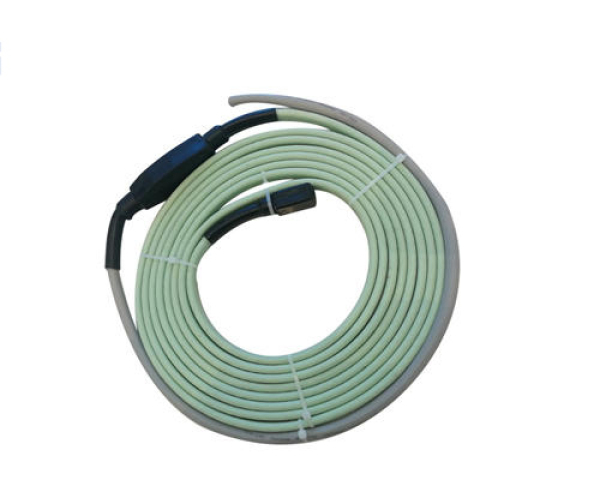
Industrial electric heating‑cable manufacturers extend product capabilities from core petrochemical process tracing toward cross‑sector infrastructure thermal‑protection requirements. Besides self‑regulating, constant‑power and MI cables dedicated for oil‑refining and chemical facilities, specialized heating‑cable variants serve public‑safety and civil‑industrial de‑icing scenarios. Tunnel fire‑protection pipeline anti‑freezing electric heating cables guarantee water supply pipelines for fire‑fighting systems keep unblocked in low‑temperature tunnel environments, preventing pipeline frost‑crack risks in cold‑climate regions. 36V medium‑temperature garage floor snow‑melting heating cables and low‑temperature outdoor driveway de‑icing tapes deliver ground surface ice‑melting and snow‑removal functions for parking lots, traffic roads and ramp infrastructure. Such infrastructure‑oriented heating products inherit industrial‑grade material and manufacturing standards from petrochemical‑use tracing cables, ensuring mechanical durability and long‑term stability under repeated freeze‑thaw cycles. While infrastructure‑focused cables do not need full explosion‑proof parameters for hazardous chemical zones, they share accessory technologies including fixing clips, heat‑conducting tapes and temperature‑sensing components with petrochemical product lines. From high‑risk petrochemical process units to traffic infrastructure freeze‑protection, diversified electric‑heating‑cable product families reflect how industrial thermal‑control suppliers adjust technical specifications for differentiated working conditions. Global project integrators can select corresponding product models based on medium characteristics, ambient temperature range, hazardous‑zone classification and power‑supply conditions. This cross‑field technical inheritance accelerates global popularization of electric thermal‑management solutions both within heavy‑industry production sites and public infrastructure construction projects.