English
English
Español
Português
русский
français
日本語
Deutsch
Tiếng Việt
Italiano
Nederlands
ไทย
Polski
한국어
Svenska
magyar
Malay
বাংলা
Dansk
Suomi
हिन्दी
Pilipino
Türk
Gaeilge
عربى
Indonesia
norsk
اردو
čeština
Ελληνικά
Українська
Javanese
فارسی
தமிழ்
తెలుగు
नेपाली
Burmese
български
ລາວ
Latine
Қазақ
Euskal
Azərbaycan
slovenský
Македонски
Lietuvos
Eesti Keel
Română
Slovenski
मराठी
Српски
Esperanto
Afrikaans
Català
עִברִית
Cymraeg
Galego
Latvietis
icelandic
יידיש
Беларус
Hrvatski
Kreyòl ayisyen
Shqiptar
Malti
lugha ya Kiswahili
አማርኛ
Bosanski
Frysk
ជនជាតិខ្មែរ
ქართული
ગુજરાતી
Hausa
Кыргыз тили
ಕನ್ನಡ
Corsa
Kurdî
മലയാളം
Maori
Монгол хэл
Hmong
IsiXhosa
Zulu
Punjabi
پښتو
Chichewa
Samoa
Sesotho
සිංහල
Gàidhlig
Cebuano
Somali
Точик
O'zbek
Hawaiian
سنڌي
Shinra
հայերեն
Igbo
Sundanese
Lëtzebuergesch
Malagasy
Yoruba
Javanese
Banbala
Pokjoper
Divih
Philippine
Gwadani
Elokano

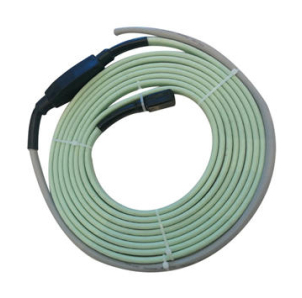
Power‑input connection joints are common failure‑prone sections for series‑structure heating cables. Improper termination will trigger insulation degradation, partial overheating or circuit breakdown, shortening overall cable lifespan. Industry‑standard cold‑end wiring procedures are engineered for HGC‑1 and HGC‑3 series constant‑power heating cables to address this pain point.
Installation workflows start with stripping outer sheath, inner sheath and insulation layers of heating cable ends to fully expose resistive heating core conductors. Exposed core wires are crimped with pre‑stripped cold‑end conducting wires by copper terminals. Technicians apply 3M adhesive tape for wrapping treatment, while reserving metal braided shielding layer for reliable grounding function. Four‑layer heat‑shrink sleeves are sequentially fitted onto connection positions, and heated uniformly to achieve tight encapsulation of splicing joints, isolating conductive parts from moisture, corrosive gas and mechanical abrasion from external environments.
Unlike self‑regulating heating cables, series constant‑power heating cables cannot be arbitrarily truncated on‑site. Every circuit needs pre‑customization according to actual pipeline layout length. Reliable cold‑end termination protects transition sections between high‑resistance heating core and regular power‑supply cables. For global engineering contractors and end‑users, standardized termination specifications reduce on‑site installation error rates and lower long‑term maintenance costs. Process‑plant asset managers increasingly emphasize standardized installation workflows alongside core‑cable product quality when procuring heat‑tracing packages.