English
English
Español
Português
русский
français
日本語
Deutsch
Tiếng Việt
Italiano
Nederlands
ไทย
Polski
한국어
Svenska
magyar
Malay
বাংলা
Dansk
Suomi
हिन्दी
Pilipino
Türk
Gaeilge
عربى
Indonesia
norsk
اردو
čeština
Ελληνικά
Українська
Javanese
فارسی
தமிழ்
తెలుగు
नेपाली
Burmese
български
ລາວ
Latine
Қазақ
Euskal
Azərbaycan
slovenský
Македонски
Lietuvos
Eesti Keel
Română
Slovenski
मराठी
Српски
Esperanto
Afrikaans
Català
עִברִית
Cymraeg
Galego
Latvietis
icelandic
יידיש
Беларус
Hrvatski
Kreyòl ayisyen
Shqiptar
Malti
lugha ya Kiswahili
አማርኛ
Bosanski
Frysk
ជនជាតិខ្មែរ
ქართული
ગુજરાતી
Hausa
Кыргыз тили
ಕನ್ನಡ
Corsa
Kurdî
മലയാളം
Maori
Монгол хэл
Hmong
IsiXhosa
Zulu
Punjabi
پښتو
Chichewa
Samoa
Sesotho
සිංහල
Gàidhlig
Cebuano
Somali
Точик
O'zbek
Hawaiian
سنڌي
Shinra
հայերեն
Igbo
Sundanese
Lëtzebuergesch
Malagasy
Yoruba
Javanese
Banbala
Pokjoper
Divih
Philippine
Gwadani
Elokano

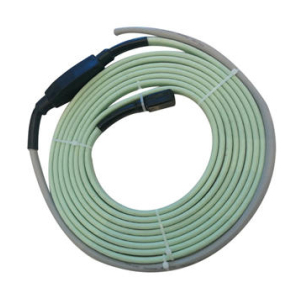
Engineered for industrial long‑haul pipeline thermal management scenarios, HGC‑□‑□/J□ series constant‑power heating cables adopt resistive core conductor Joule‑heating principles to maintain consistent power output along the full cable length. Unlike parallel‑resistance heating solutions with strict circuit‑length limitations, this cable series enables single‑feed circuit deployment reaching 3600 meters, making it well‑suited for cross‑site process pipelines requiring continuous temperature preservation and freeze protection.
The cable integrates multi‑layer construction including heating conductor, heating‑element insulation, inner protective jacket, metallic braided shielding layer and outer insulating jacket. An optional fluoroplastic over‑sleeve can be fitted over the braided shield to add extra mechanical and chemical corrosion resistance for underground burial or chemical‑exposed service environments.
Broad‑range voltage ratings cover 220V, 380V, 660V, 1100V, 3300V and 6600V. Key thermal performance metrics include maximum maintained temperature of 100℃, maximum withstand temperature of 205℃, and minimum installation temperature down to ‑50℃. Certified for use within Zone 1, Zone 2 hazardous explosive atmospheres as well as non‑hazardous general industrial environments.
Special cold‑end connection technology is adopted for power‑source terminals to extend overall service life. Installation procedures involve crimping heating core conductors with cold‑end wires via copper lugs, wrapping with 3M tapes while reserving braided shielding for grounding purposes, then applying four‑layer heat‑shrink sleeves and thermal tightening to secure connection joints. This connection methodology enhances joint sealing, mechanical robustness and anti‑failure performance for field industrial installation.