English
English
Español
Português
русский
français
日本語
Deutsch
Tiếng Việt
Italiano
Nederlands
ไทย
Polski
한국어
Svenska
magyar
Malay
বাংলা
Dansk
Suomi
हिन्दी
Pilipino
Türk
Gaeilge
عربى
Indonesia
norsk
اردو
čeština
Ελληνικά
Українська
Javanese
فارسی
தமிழ்
తెలుగు
नेपाली
Burmese
български
ລາວ
Latine
Қазақ
Euskal
Azərbaycan
slovenský
Македонски
Lietuvos
Eesti Keel
Română
Slovenski
मराठी
Српски
Esperanto
Afrikaans
Català
עִברִית
Cymraeg
Galego
Latvietis
icelandic
יידיש
Беларус
Hrvatski
Kreyòl ayisyen
Shqiptar
Malti
lugha ya Kiswahili
አማርኛ
Bosanski
Frysk
ជនជាតិខ្មែរ
ქართული
ગુજરાતી
Hausa
Кыргыз тили
ಕನ್ನಡ
Corsa
Kurdî
മലയാളം
Maori
Монгол хэл
Hmong
IsiXhosa
Zulu
Punjabi
پښتو
Chichewa
Samoa
Sesotho
සිංහල
Gàidhlig
Cebuano
Somali
Точик
O'zbek
Hawaiian
سنڌي
Shinra
հայերեն
Igbo
Sundanese
Lëtzebuergesch
Malagasy
Yoruba
Javanese
Banbala
Pokjoper
Divih
Philippine
Gwadani
Elokano

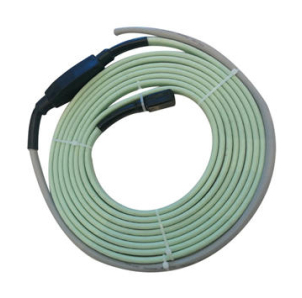
Large‑scale cross‑regional pipeline infrastructure within global oil‑gas, chemical and resource‑processing industries raises higher requirements for heat‑tracing hardware. Traditional parallel heating cables are subject to obvious power attenuation when circuit length expands, restricting their deployment for long‑haul pipe networks. Series constant‑power heating cables represented by HGC‑1/HGC‑3 adopt resistive core conductors as heating elements. Current flowing through core conductors generates consistent Joule heat per unit length, avoiding power drop toward cable terminals even for multi‑kilometer circuits.
Supporting wide‑range rated voltage options including 220V, 380V, 660V up to 6600V, the product adapts to diverse global industrial power supply standards. It achieves maximum maintained temperature of 100℃ and maximum withstand temperature reaching 205℃, with minimum installation temperature as low as ‑50℃, which fits harsh low‑temperature outdoor environments. Approved for hazardous Zone 1, Zone 2 explosive atmospheres, the cable satisfies safety specifications for petrochemical sites with flammable gas presence.
Multi‑layer composite construction combines heating core, primary insulation, inner sheath, metallic braided shielding and outer protective jacket. Optional fluoroplastic outer cover adds extra defence against chemical corrosion and underground burial erosion. Global EPC contractors select this series for crude‑oil transmission pipelines, chemical medium delivery lines and remote industrial piping networks where single‑source power feeding is required. Compared with segmented parallel heat‑tracing layouts, series‑type solutions cut auxiliary power‑distribution points and simplify overall system architecture for long‑route projects.