English
English
Español
Português
русский
français
日本語
Deutsch
Tiếng Việt
Italiano
Nederlands
ไทย
Polski
한국어
Svenska
magyar
Malay
বাংলা
Dansk
Suomi
हिन्दी
Pilipino
Türk
Gaeilge
عربى
Indonesia
norsk
اردو
čeština
Ελληνικά
Українська
Javanese
فارسی
தமிழ்
తెలుగు
नेपाली
Burmese
български
ລາວ
Latine
Қазақ
Euskal
Azərbaycan
slovenský
Македонски
Lietuvos
Eesti Keel
Română
Slovenski
मराठी
Српски
Esperanto
Afrikaans
Català
עִברִית
Cymraeg
Galego
Latvietis
icelandic
יידיש
Беларус
Hrvatski
Kreyòl ayisyen
Shqiptar
Malti
lugha ya Kiswahili
አማርኛ
Bosanski
Frysk
ជនជាតិខ្មែរ
ქართული
ગુજરાતી
Hausa
Кыргыз тили
ಕನ್ನಡ
Corsa
Kurdî
മലയാളം
Maori
Монгол хэл
Hmong
IsiXhosa
Zulu
Punjabi
پښتو
Chichewa
Samoa
Sesotho
සිංහල
Gàidhlig
Cebuano
Somali
Точик
O'zbek
Hawaiian
سنڌي
Shinra
հայերեն
Igbo
Sundanese
Lëtzebuergesch
Malagasy
Yoruba
Javanese
Banbala
Pokjoper
Divih
Philippine
Gwadani
Elokano

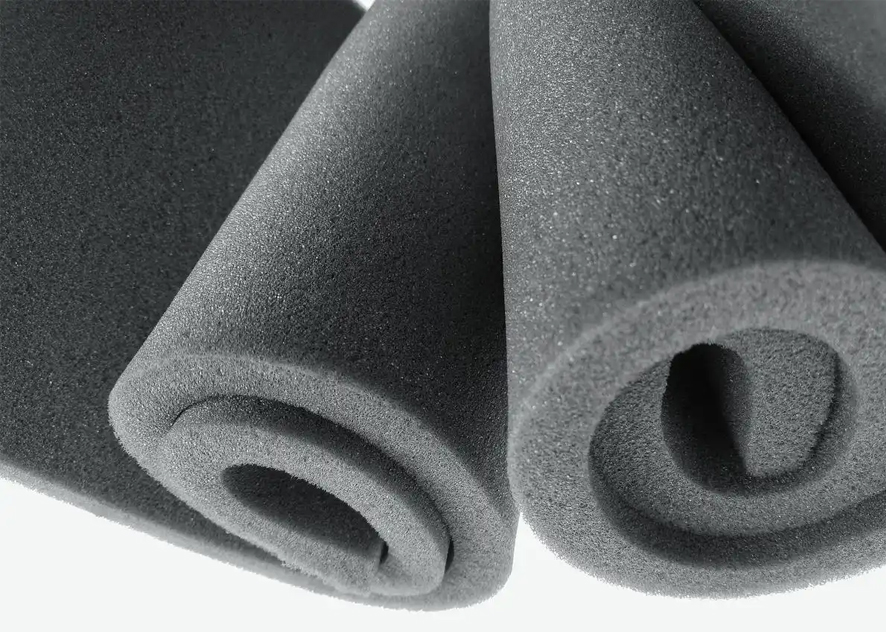
Many projects only focus on the electric heating belt itself, neglecting the key role of insulation cotton. Improper insulation construction can easily lead to heat loss, frequent equipment start-up and shutdown, and various operational changes. As an important supporting structure of the electric heat tracing system, insulation cotton is the core of low-cost energy saving and efficiency improvement, which directly affects the anti freezing effect of pipelines and the energy consumption of system operation.

The core value of insulation cotton is to lock in heat and reduce the operating load of electric heating belts. The working principle of electric heat tracing is to compensate for pipeline heat dissipation losses, rather than continuously actively heating up. Exposed pipelines or insulation damaged pipelines will quickly dissipate heat to the external environment, especially in winter when there are strong winds and low temperatures, and the heat dissipation rate will be doubled. At this time, the electric heat tracing belt needs to continue high-power operation for heating, with a significant increase in start stop frequency and long-term high load operation. A complete and sealed insulation cotton layer can form a thermal insulation protection chamber, greatly reducing heat loss, allowing stable retention of pipeline heat, and effectively reducing the working time and output power of the electric heat tracing belt.
High quality insulation structure can accurately stabilize and maintain temperature, avoiding the hidden danger of pipeline freezing and blockage. When there is no insulation protection, the temperature of the water supply and drainage and process pipelines fluctuates rapidly with the environment due to large temperature differences, which can easily lead to local temperature loss and freezing. The insulation cotton has a uniform thickness and tight coverage, which can buffer external temperature changes and stabilize the overall temperature of the pipeline. Combined with the adaptive temperature control characteristics of the electric heating belt, it can maintain a constant temperature state without frequent start and stop, completely solving the problem of anti freezing dead corners at heat dissipation points such as valves, elbows, and flanges, and improving the insulation stability of the entire system.
Standardizing insulation construction can extend the service life of electric heat tracing equipment. Frequent start stop and continuous full load operation of the electric heating belt can accelerate the aging of the PTC core and power attenuation. Long term high load operation is prone to faults such as sheath aging and insulation degradation. A complete insulation layer can reduce the number of system starts and stops, allowing the electric heating belt to operate smoothly at low loads and significantly reducing equipment losses. At the same time, insulation cotton can isolate UV exposure, wind and sand erosion, rain and snow erosion, protect the outer sheath of the electric heating belt, avoid material brittleness and cracking, and effectively extend the service life of the equipment.
Thermal insulation cotton is the core measure to reduce costs and save energy in electric heat tracing systems. Compared to upgrading high-end electric heat tracing belts and installing intelligent temperature control equipment, optimizing insulation configuration is the most cost-effective energy-saving method. Data shows that a standardized heat tracing system wrapped with insulation cotton can reduce overall power consumption by more than 30%. Poor quality ultra-thin insulation, overlapping gaps, damage and water ingress can directly offset the heating effect of electric heat tracing, resulting in ineffective power consumption. A standard and complete insulation structure can reduce energy waste from the source, lower winter operating energy consumption and maintenance costs.
The selection of suitable working conditions further amplifies the advantages of energy conservation and efficiency improvement. Conventional indoor pipelines can meet the demand by using ordinary rubber insulation cotton; Waterproof, flame-retardant, high-density insulation cotton should be selected for outdoor, open air, and high humidity environments to avoid water absorption failure; In high-altitude and extremely cold areas, it is necessary to thicken the insulation layer and reserve sufficient insulation allowance. During construction, ensure that the insulation layer is fully covered, seamless, and free of hollowing. The overlap should be compacted and sealed, and a waterproof outer protective layer should be used on the outside to prevent moisture damage to the insulation layer and maximize energy efficiency.
Thermal insulation cotton is not an auxiliary material for electric heat tracing systems, but a core component that determines system energy consumption and stability. Standardized selection and standard insulation structure can not only ensure pipeline antifreeze safety, but also achieve energy conservation, cost reduction, and extend equipment life, making the operation of the electric heat tracing system more stable, economical, and long-lasting.