English
English
Español
Português
русский
français
日本語
Deutsch
Tiếng Việt
Italiano
Nederlands
ไทย
Polski
한국어
Svenska
magyar
Malay
বাংলা
Dansk
Suomi
हिन्दी
Pilipino
Türk
Gaeilge
عربى
Indonesia
norsk
اردو
čeština
Ελληνικά
Українська
Javanese
فارسی
தமிழ்
తెలుగు
नेपाली
Burmese
български
ລາວ
Latine
Қазақ
Euskal
Azərbaycan
slovenský
Македонски
Lietuvos
Eesti Keel
Română
Slovenski
मराठी
Српски
Esperanto
Afrikaans
Català
עִברִית
Cymraeg
Galego
Latvietis
icelandic
יידיש
Беларус
Hrvatski
Kreyòl ayisyen
Shqiptar
Malti
lugha ya Kiswahili
አማርኛ
Bosanski
Frysk
ជនជាតិខ្មែរ
ქართული
ગુજરાતી
Hausa
Кыргыз тили
ಕನ್ನಡ
Corsa
Kurdî
മലയാളം
Maori
Монгол хэл
Hmong
IsiXhosa
Zulu
Punjabi
پښتو
Chichewa
Samoa
Sesotho
සිංහල
Gàidhlig
Cebuano
Somali
Точик
O'zbek
Hawaiian
سنڌي
Shinra
հայերեն
Igbo
Sundanese
Lëtzebuergesch
Malagasy
Yoruba
Javanese
Banbala
Pokjoper
Divih
Philippine
Gwadani
Elokano

Electric heat tracing bands are widely used in construction, chemical industry, and fire protection pipe network freeze protection scenarios. During the entire process of power-on operation, omissions in material selection, construction, and operation and maintenance can easily lead to various operational hazards such as electric leakage and fire. Implementing detailed safety control measures throughout the entire process and standardizing operational standards are essential to comprehensively strengthen the safety operation defense line of the heat tracing system.

Strictly control the access of materials and maintain the safety bottom line from the source. It is strictly prohibited to mix and use general materials for specific working conditions. For ordinary civilian pipelines, flame-retardant and waterproof compliant tracing cables are sufficient. In explosion-proof areas such as chemical oil and gas areas and enclosed warehouses, it is necessary to use dedicated cables with formal explosion-proof certificates and flame-retardant qualifications. Reject "three no" low-price branded products, as these cables have substandard insulation wall thickness, reduced core material, and substandard voltage and heat resistance, making them prone to electrical breakdown of the outer sheath. Select high and low temperature models separately, and do not use low temperature tracing cables for high temperature process pipelines to prevent safety accidents caused by melting sheaths at high temperatures.
Adhere strictly to construction safety standards and eliminate any potential hazards caused by human error during construction. Throughout the entire laying process, the use of brute force to drag or step on cables is strictly prohibited, to prevent sharp welding slag or edges from scratching the insulation layer. Only thermal conductive tape should be used to secure cables, and the use of iron wires or metal buckles to bundle and damage the cable body is strictly prohibited. It is forbidden to fold or overlap tracing bands, or entwine them in a criss-cross pattern, to avoid localized heat accumulation and overheating, which could lead to sparking. Wiring operations must be conducted with the power off, and dedicated sealed junction boxes must be provided at the joint and terminal locations. These boxes should be sealed with glue for waterproofing, and it is prohibited to simply wrap exposed wire cores with tape. Tracing bands of different voltages should be distributed separately, and it is strictly forbidden to mix or connect 220V and 36V lines incorrectly.
Standardize the matching configuration of power distribution and improve the electrical protection system. All heat tracing circuits must be matched with independent air switches and leakage protectors to prevent multiple cables from sharing one power distribution. Overload and leakage can be quickly protected by power-off. All explosion-proof distribution accessories in the explosion-proof area are selected, and the junction boxes and power lines are well isolated and protected. Strictly follow the rated circuit length for wiring, split multiple distribution channels for ultra long pipelines, and prohibit unauthorized extension of connecting cables to avoid unbalanced voltage drop, current overload tripping, and fire. The temperature controller is attached to the pipe wall for temperature measurement, and it is forbidden to short-circuit the temperature control and direct power on to avoid the risk of dry burning all day long.
Partition adaptation for environmental protection and scene security standards. Outdoor outdoor pipelines should be insulated, waterproofed, and sealed to prevent rain, snow, and water from soaking the cables and reducing insulation resistance; Acid alkali corrosion plant area, with an additional anti-corrosion protective shell to protect the outer layer of cables. Cables should be placed away from open flames, high-temperature steam sources, and avoid flammable and explosive storage areas. Install protective sleeves at buried and through wall locations to isolate damage caused by external forces. Upgrade double-layer waterproof insulation heat tracing belts in damp areas of kitchens and bathrooms to adapt to high humidity electrical environments.
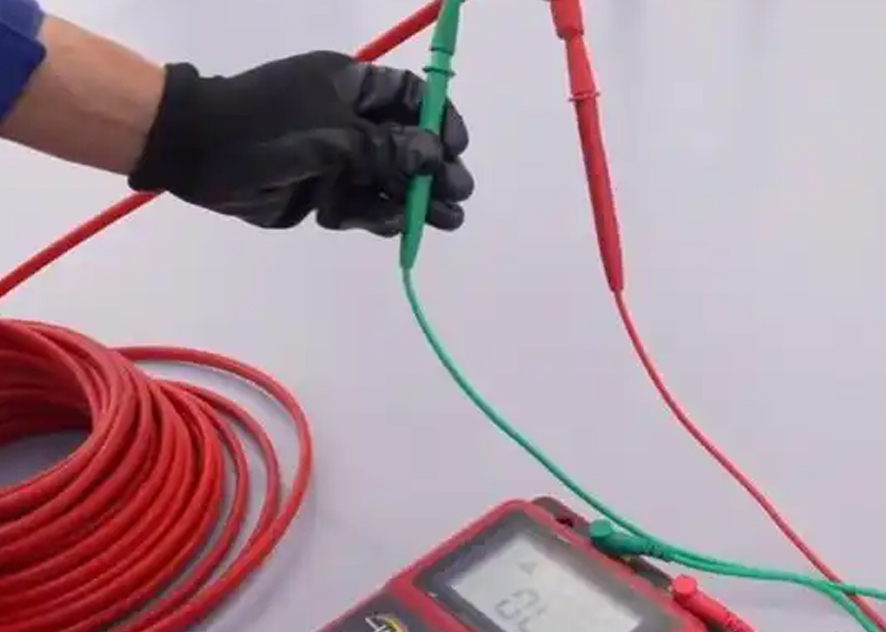
Strictly adhere to daily operation and maintenance safety guidelines, and regularly investigate risks. Before powering on, use a megohmmeter to check the insulation resistance value. Only when the value meets the standard can power be transmitted for operation. Increase the frequency of inspections during the rainy season and the transition to winter to check for damage to the outer skin, water leakage at joints, and aging of the box body. After a fault trips, it is forbidden to turn on the reverse compound circuit breaker. After identifying and repairing hidden dangers, restart the machine. Power off and shut down in a timely manner during non freezing seasons to reduce long-term aging and loss of cables. Non professionals are not allowed to dismantle junction boxes or change wiring without authorization.
The safe operation of electric heat tracing relies on multi-dimensional control of material selection, construction, power distribution, and operation and maintenance, strictly adhering to various safety operation guidelines, abandoning illegal and simplified operations, eliminating hidden dangers of electric leakage, overheating, and fire, and steadily building a defense line for the all-weather safe operation of pipeline heat tracing.