English
English
Español
Português
русский
français
日本語
Deutsch
Tiếng Việt
Italiano
Nederlands
ไทย
Polski
한국어
Svenska
magyar
Malay
বাংলা
Dansk
Suomi
हिन्दी
Pilipino
Türk
Gaeilge
عربى
Indonesia
norsk
اردو
čeština
Ελληνικά
Українська
Javanese
فارسی
தமிழ்
తెలుగు
नेपाली
Burmese
български
ລາວ
Latine
Қазақ
Euskal
Azərbaycan
slovenský
Македонски
Lietuvos
Eesti Keel
Română
Slovenski
मराठी
Српски
Esperanto
Afrikaans
Català
עִברִית
Cymraeg
Galego
Latvietis
icelandic
יידיש
Беларус
Hrvatski
Kreyòl ayisyen
Shqiptar
Malti
lugha ya Kiswahili
አማርኛ
Bosanski
Frysk
ជនជាតិខ្មែរ
ქართული
ગુજરાતી
Hausa
Кыргыз тили
ಕನ್ನಡ
Corsa
Kurdî
മലയാളം
Maori
Монгол хэл
Hmong
IsiXhosa
Zulu
Punjabi
پښتو
Chichewa
Samoa
Sesotho
සිංහල
Gàidhlig
Cebuano
Somali
Точик
O'zbek
Hawaiian
سنڌي
Shinra
հայերեն
Igbo
Sundanese
Lëtzebuergesch
Malagasy
Yoruba
Javanese
Banbala
Pokjoper
Divih
Philippine
Gwadani
Elokano

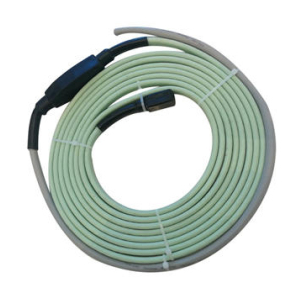
For many large‑scale industrial facilities and long‑haul transmission pipeline networks, trace‑heating system design is frequently constrained by the maximum allowable circuit length of parallel‑resistance heating tapes. HGC series series‑connected constant‑power heating cables change this situation by supporting single‑power‑supply circuit lengths as long as 3600 meters.
Working on resistive‑conductor Joule‑heating mechanism, the cable maintains consistent heat output per meter throughout the whole trace‑heating loop. The multi‑layer composite structure delivers mechanical strength, electrical insulation and shielding performance. Optional fluoroplastic outer sleeve upgrades anti‑corrosion capacity when cables are buried underground or exposed to aggressive chemical media.
Rich electrical‑rating selections cover multiple voltage grades to fit different national industrial power‑grid specifications. Comprehensive thermal parameters allow installation in extremely low‑temperature construction environments, resist transient high‑temperature exposure, and sustain target pipeline process temperature. The product can operate safely in both ordinary industrial sites and Zone 1, Zone 2 explosion‑risk areas.
Cold‑end jointing represents a core installation procedure for series‑type heating cables. Proper stripping, copper‑terminal crimping, shielding‑grounding reservation and multi‑layer heat‑shrink sealing treatments prevent joint failure caused by vibration, moisture ingress or chemical contamination. Standardized assembly practices help global engineering contractors implement stable trace‑heating construction for long‑distance pipelines in energy, chemical and heavy‑industry sectors.