English
English
Español
Português
русский
français
日本語
Deutsch
Tiếng Việt
Italiano
Nederlands
ไทย
Polski
한국어
Svenska
magyar
Malay
বাংলা
Dansk
Suomi
हिन्दी
Pilipino
Türk
Gaeilge
عربى
Indonesia
norsk
اردو
čeština
Ελληνικά
Українська
Javanese
فارسی
தமிழ்
తెలుగు
नेपाली
Burmese
български
ລາວ
Latine
Қазақ
Euskal
Azərbaycan
slovenský
Македонски
Lietuvos
Eesti Keel
Română
Slovenski
मराठी
Српски
Esperanto
Afrikaans
Català
עִברִית
Cymraeg
Galego
Latvietis
icelandic
יידיש
Беларус
Hrvatski
Kreyòl ayisyen
Shqiptar
Malti
lugha ya Kiswahili
አማርኛ
Bosanski
Frysk
ជនជាតិខ្មែរ
ქართული
ગુજરાતી
Hausa
Кыргыз тили
ಕನ್ನಡ
Corsa
Kurdî
മലയാളം
Maori
Монгол хэл
Hmong
IsiXhosa
Zulu
Punjabi
پښتو
Chichewa
Samoa
Sesotho
සිංහල
Gàidhlig
Cebuano
Somali
Точик
O'zbek
Hawaiian
سنڌي
Shinra
հայերեն
Igbo
Sundanese
Lëtzebuergesch
Malagasy
Yoruba
Javanese
Banbala
Pokjoper
Divih
Philippine
Gwadani
Elokano

In winter, protecting home pipelines from freezing and enjoying warm hot water are core needs for many families. Electric heat tracing bands are the "home warmth assistants" that address these issues. They actively generate heat, providing just the right amount of warmth for various household facilities, and have demonstrated significant value in many scenarios. Compared to the often thousands of yuan in pipeline maintenance costs, this solution, which can be easily fixed for just a few hundred yuan, is actually very cost-effective.

Pipeline antifreeze: guarding the "lifeline" of home
This is the most practical application of electric heat tracing bands in daily life, ensuring worry-free water usage in winter:
1. Outdoor water pipes and water meters: PPR or metal water pipes installed on balconies or exterior walls should be wrapped with self-regulating heating tapes and insulation cotton. Once powered on, the temperature can be maintained above freezing, effectively preventing freezing and bursting.
2. Solar water heater: A dedicated heating cable is laid on the outer wall of the downpipe, which, in conjunction with a thermostat that automatically starts at low temperatures, ensures smooth hot water output even in the early morning at -20℃, solving the embarrassment of traditional solar water heaters being idle in winter.
3. Drainage and Fire Protection: For critical components such as balcony drainage pipes and hallway fire hydrants, installing heat tracing cables can effectively prevent freezing at low temperatures, reducing the inconvenience of sudden water cuts.
Smart snow melting: safeguarding the travel safety of family members
1. Preventing icy and slippery conditions: Embedding heating cables beneath the steps and ramps at the entrance of apartment buildings, in conjunction with ice and snow sensors that automatically detect and initiate ice melting, can effectively eliminate the risk of slipping during winter travel.
2. Protecting building structure: Installing heat tracing cables in areas prone to snow accumulation, such as roof gutters, can prevent the formation of ice dams, avoid damage to the building structure caused by meltwater flowing backwards, and also ensure the safety of family members and neighbors.
Soil insulation and household floor heating
1. Winter planting and seedling cultivation: Lay a dedicated heating cable at the bottom of the flowerpot or seedbed on the balcony to create a warm environment for seed germination and plant root growth.
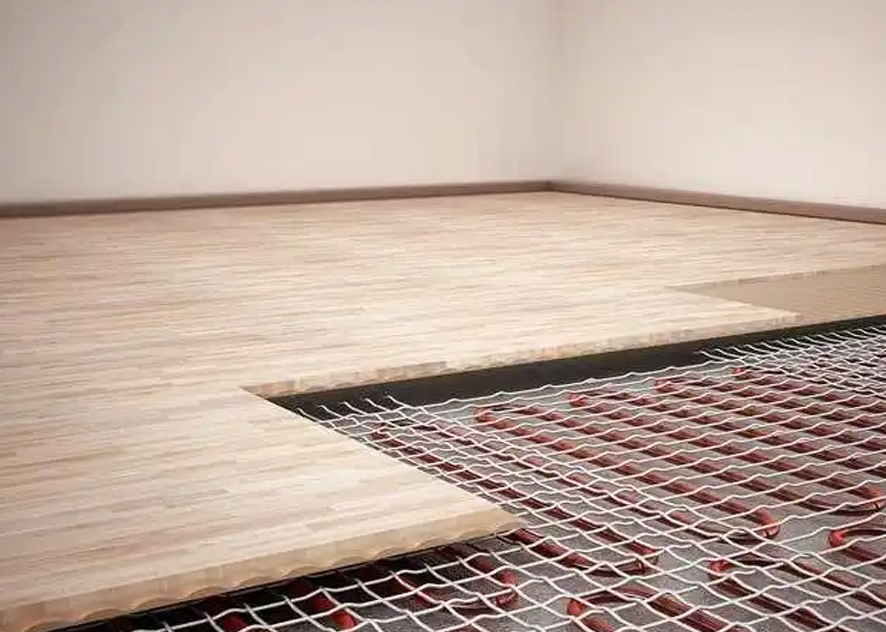
2. Ground-assisted heating: With the temperature set by the thermostat, an electric heat tracing belt can also be laid under the floor to provide a comfortable radiant heat source, compensating for the deficiencies of central air conditioning or radiators. It is particularly suitable for small spaces such as bathrooms.
Other ingenious uses: warmth and convenience
1. Keeping pets warm: Installing additional insulation at the bottom of pet cages and cat beds to provide thoughtful warmth for pets that are sensitive to cold.
2. Anti-freezing of oil circuits and pipelines: In cold regions, installing low-voltage tracing bands on vehicle diesel filters or garage water pipes can solve the problem of difficult starting due to "diesel wax formation" in winter.
When making a purchase, it is important to keep three core points in mind:
1. Firstly, the "self-regulating temperature" type: the preferred choice for household use is the self-regulating temperature electric heat tracing belt. It acts like a "smart air conditioner", automatically adjusting power according to temperature, ensuring safety and saving energy. The constant power type requires an additional temperature controller and is mainly used in industry, not recommended for household use.
2. Choose the right power: For ordinary water pipes to prevent freezing, a power of 10-25 watts per meter is sufficient. In severe cold regions or for large pipe diameters, a higher power can be appropriately selected, but for household use, 30 watts per meter is generally the upper limit.
3. Emphasize safety: It is essential to identify formal products with national 3C certification. The protection level should ideally reach above IP67, ensuring sufficient waterproof and dustproof capabilities.
Important safety reminder:
1. Professional installation: It is best to have an experienced electrician to handle the installation, especially for wiring and terminal sealing, as it is easy to cause problems if done by oneself.
2. Strictly prohibit the use of metal wires for binding: only aluminum foil tape or plastic ties can be used for fixation. Binding with iron wires will scratch the insulation layer, which is a common hidden danger that can lead to short circuits and even fires.
3. Standardized wiring: The power cord must be securely plugged into a socket equipped with leakage protection. Most importantly, the end connectors must be completely sealed to prevent water from entering. It is strictly prohibited to twist two wire cores together directly.
Electric heat tracing bands provide an effective solution for households to endure the long and cold winter, thanks to their simple installation method, reliable performance, and low usage cost.