English
English
Español
Português
русский
français
日本語
Deutsch
Tiếng Việt
Italiano
Nederlands
ไทย
Polski
한국어
Svenska
magyar
Malay
বাংলা
Dansk
Suomi
हिन्दी
Pilipino
Türk
Gaeilge
عربى
Indonesia
norsk
اردو
čeština
Ελληνικά
Українська
Javanese
فارسی
தமிழ்
తెలుగు
नेपाली
Burmese
български
ລາວ
Latine
Қазақ
Euskal
Azərbaycan
slovenský
Македонски
Lietuvos
Eesti Keel
Română
Slovenski
मराठी
Српски
Esperanto
Afrikaans
Català
עִברִית
Cymraeg
Galego
Latvietis
icelandic
יידיש
Беларус
Hrvatski
Kreyòl ayisyen
Shqiptar
Malti
lugha ya Kiswahili
አማርኛ
Bosanski
Frysk
ជនជាតិខ្មែរ
ქართული
ગુજરાતી
Hausa
Кыргыз тили
ಕನ್ನಡ
Corsa
Kurdî
മലയാളം
Maori
Монгол хэл
Hmong
IsiXhosa
Zulu
Punjabi
پښتو
Chichewa
Samoa
Sesotho
සිංහල
Gàidhlig
Cebuano
Somali
Точик
O'zbek
Hawaiian
سنڌي
Shinra
հայերեն
Igbo
Sundanese
Lëtzebuergesch
Malagasy
Yoruba
Javanese
Banbala
Pokjoper
Divih
Philippine
Gwadani
Elokano

The application of electric heat tracing bands in tire manufacturing is a "temperature revolution" that balances high-precision craftsmanship with stable storage. From precision production workshops to large raw material warehouses, it utilizes active and precise temperature control technology to address the numerous challenges posed by low-temperature environments to tire production, storage, and transportation. It has built an invisible "thermal insulation line of defense" for the stable production and safe storage of high-quality tires.

The application of electric heat tracing belts is ubiquitous from workshops to warehouses
1. Raw material storage
Tire production involves dozens of raw materials such as natural/synthetic rubber, carbon black, oil, and various chemical additives. In winter, these high viscosity or liquid raw materials are highly susceptible to freezing and solidification in storage tanks, leading to pipeline blockages and production interruptions. The electric heat tracing system is like putting warm clothes on the "bloodline" of raw materials. By actively and evenly compensating for heat, it ensures that every link from the storage tank to the production line maintains the best fluidity of raw materials, fundamentally solving the problem of forced shutdown of winter production due to raw material freezing.
2. Production process
The manufacturing process of tires is extremely precise, and even small deviations in ambient temperature can affect the quality and performance of the final product. (1) Key link: Raw material mixing/mixing
The low-temperature challenge faced: the flowability of rubber materials mixed with carbon black, rubber, oil, etc. deteriorates at low temperatures, affecting the quality and efficiency of mixing.
Innovative solution of electric heat tracing: precise heat tracing of storage tanks, conveying pipelines, and production equipment to ensure that the rubber material is at the optimal process temperature before entering the next process, improving mixing uniformity and overall stability.
(2) Key link: tread forming
The low-temperature challenge faced: The bonding of hot and cold materials (such as hot glue bonding at around 55 ℃ on the normal temperature belt layer) will generate internal stress due to different expansion states, increasing the risk of tire cracking.
Innovative solution for electric heat tracing: It can be combined with heating devices (such as local heating of the forming drum) to alleviate the temperature difference during the bonding of hot and cold materials, allowing different components to fuse at a uniform temperature, reducing internal stress, and improving tire durability.
(3) Key step: vulcanization step
The low-temperature challenge faced: vulcanization is the core step that endows tires with high strength and elasticity, and requires extremely strict temperature control.
(2) Key link: tread forming
The low-temperature challenge faced: The bonding of hot and cold materials (such as hot glue bonding at around 55 ℃ on the normal temperature belt layer) will generate internal stress due to different expansion states, increasing the risk of tire cracking.
Innovative solution for electric heat tracing: It can be combined with heating devices (such as local heating of the forming drum) to alleviate the temperature difference during the bonding of hot and cold materials, allowing different components to fuse at a uniform temperature, reducing internal stress, and improving tire durability.
(3) Key step: vulcanization step
The low-temperature challenge faced: vulcanization is the core step that endows tires with high strength and elasticity, and requires extremely strict temperature control.
Innovative solution of electric heat tracing: It can be used as an auxiliary or supplementary heat source for electromagnetic induction heating or electric heating vulcanization molds, providing precise and stable heat, replacing the problems of complex pipelines and inaccurate temperature control in traditional steam heating.
3. Storage of finished and semi-finished products
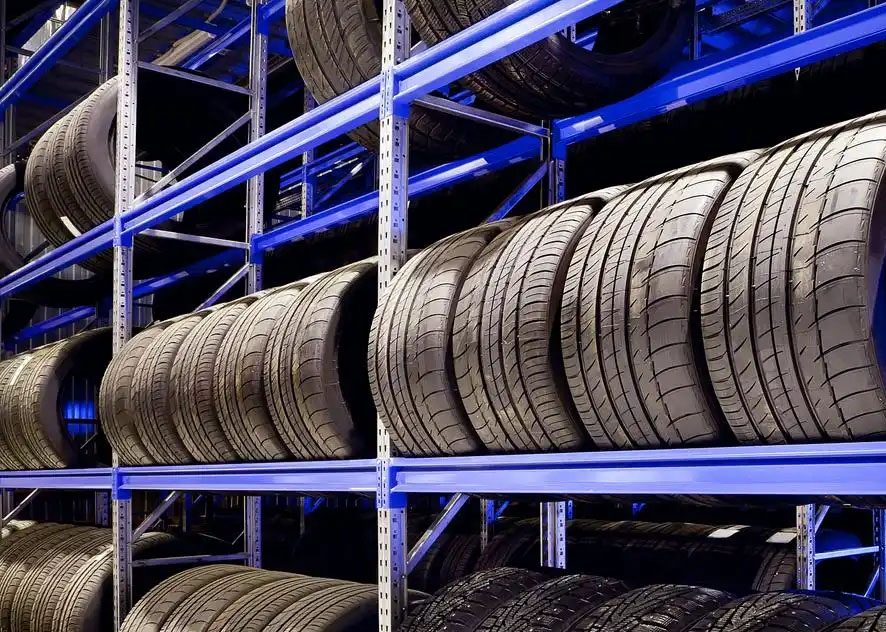
Temperature is one of the key factors affecting tire life. For short-term storage of work in progress or finished tires waiting for logistics, electric heat tracing plays a role in maintaining the stability of the warehouse environment, especially by maintaining the temperature of pipelines and equipment within the recommended range (such as -10 ° C to 30 ° C), to avoid rubber hardening or performance degradation of tires due to extreme temperatures.
Key selection points: Match the "stringent" requirements of tire manufacturing
The strict temperature requirements of tire manufacturing technology directly determine the selection criteria for electric heat tracing belts. Due to the strict temperature requirements of the process, the industry generally recommends using constant power series electric heat tracing belts. Its advantages lie in:
1. Stable output: The constant power heating strip has a constant heat generation and is not affected by external environment. The matching temperature controller can achieve precise temperature control, with a working temperature of up to 150 ° C and a maximum tolerance temperature of 205 ° C, fully meeting the strict temperature requirements of tire production process.
2. Temperature resistant and durable: Its insulation and sheath materials are mostly F46 or PFA fluoroplastics, which have excellent corrosion resistance and high temperature resistance, and can cope with chemical additives and continuous high temperature conditions in the production environment.
Not just tires: cross-border protection of electric heat tracing
The use of electric heat tracing belts is not limited to tires. With its precise and active temperature control characteristics, it has been widely used to ensure the smooth transportation of edible oil in food processing, prevent ship pipelines from freezing during polar navigation, safeguard the safety of high-risk pipelines in chemical plants, and provide stable working temperature for various precision instruments and meters. It has become a fundamental technical support for ensuring material circulation, maintaining process stability, and improving product quality in industrial production.