English
English
Español
Português
русский
français
日本語
Deutsch
Tiếng Việt
Italiano
Nederlands
ไทย
Polski
한국어
Svenska
magyar
Malay
বাংলা
Dansk
Suomi
हिन्दी
Pilipino
Türk
Gaeilge
عربى
Indonesia
norsk
اردو
čeština
Ελληνικά
Українська
Javanese
فارسی
தமிழ்
తెలుగు
नेपाली
Burmese
български
ລາວ
Latine
Қазақ
Euskal
Azərbaycan
slovenský
Македонски
Lietuvos
Eesti Keel
Română
Slovenski
मराठी
Српски
Esperanto
Afrikaans
Català
עִברִית
Cymraeg
Galego
Latvietis
icelandic
יידיש
Беларус
Hrvatski
Kreyòl ayisyen
Shqiptar
Malti
lugha ya Kiswahili
አማርኛ
Bosanski
Frysk
ជនជាតិខ្មែរ
ქართული
ગુજરાતી
Hausa
Кыргыз тили
ಕನ್ನಡ
Corsa
Kurdî
മലയാളം
Maori
Монгол хэл
Hmong
IsiXhosa
Zulu
Punjabi
پښتو
Chichewa
Samoa
Sesotho
සිංහල
Gàidhlig
Cebuano
Somali
Точик
O'zbek
Hawaiian
سنڌي
Shinra
հայերեն
Igbo
Sundanese
Lëtzebuergesch
Malagasy
Yoruba
Javanese
Banbala
Pokjoper
Divih
Philippine
Gwadani
Elokano

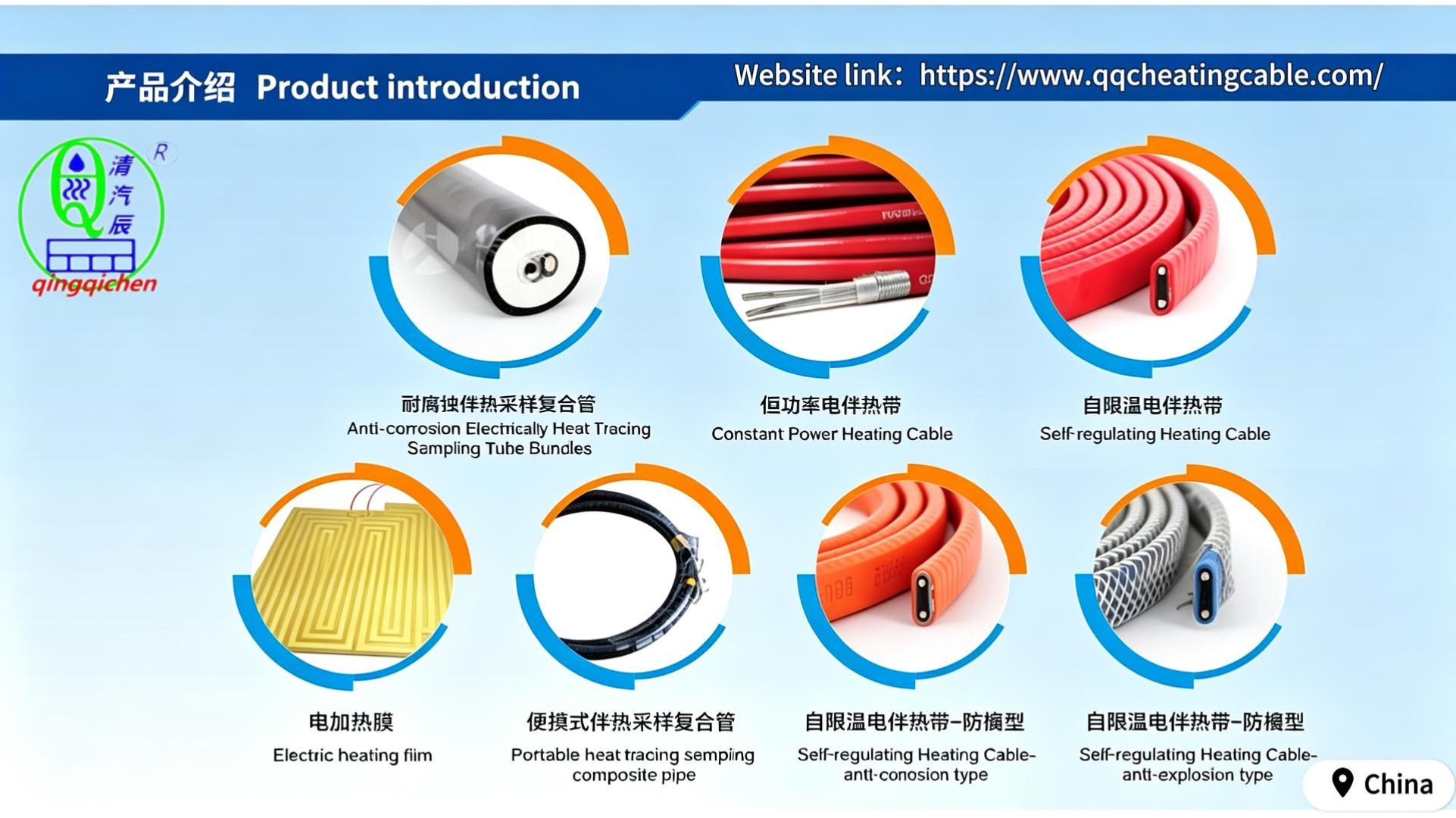
As industrial sectors worldwide accelerate the transition to energy-efficient and low-carbon operations, heat tracing systems have emerged as a key area for energy savings. Traditional constant-power heating solutions often generate excess heat during milder temperature periods, wasting electricity and increasing operational costs. Self-regulating heating technology resolves this issue through a conductive polymer matrix that changes resistance with temperature: as ambient temperature drops, resistance decreases and heat output rises, and as temperature climbs, resistance increases and heat output falls automatically.
The DBR series self-regulating heating cables cover multiple power specifications to fit different pipeline insulation requirements. Without additional complex control systems, the cables can deliver precise heat matching across long pipeline runs, avoiding the energy waste caused by uniform full-power heating. This inherent self-regulating property also prevents overheating even when cables overlap during installation, reducing safety risks and simplifying on-site construction.
For petrochemical, chemical, and water treatment facilities, this technology can significantly cut the energy consumption of heat tracing systems throughout the year. Lower energy demand directly reduces scope 2 carbon emissions, supporting enterprises in meeting ISO 50001 energy management standards and corporate ESG targets. The extended service life of self-regulating cables also reduces material replacement frequency, further lowering the environmental impact of the full product lifecycle.