English
English
Español
Português
русский
français
日本語
Deutsch
Tiếng Việt
Italiano
Nederlands
ไทย
Polski
한국어
Svenska
magyar
Malay
বাংলা
Dansk
Suomi
हिन्दी
Pilipino
Türk
Gaeilge
عربى
Indonesia
norsk
اردو
čeština
Ελληνικά
Українська
Javanese
فارسی
தமிழ்
తెలుగు
नेपाली
Burmese
български
ລາວ
Latine
Қазақ
Euskal
Azərbaycan
slovenský
Македонски
Lietuvos
Eesti Keel
Română
Slovenski
मराठी
Српски
Esperanto
Afrikaans
Català
עִברִית
Cymraeg
Galego
Latvietis
icelandic
יידיש
Беларус
Hrvatski
Kreyòl ayisyen
Shqiptar
Malti
lugha ya Kiswahili
አማርኛ
Bosanski
Frysk
ជនជាតិខ្មែរ
ქართული
ગુજરાતી
Hausa
Кыргыз тили
ಕನ್ನಡ
Corsa
Kurdî
മലയാളം
Maori
Монгол хэл
Hmong
IsiXhosa
Zulu
Punjabi
پښتو
Chichewa
Samoa
Sesotho
සිංහල
Gàidhlig
Cebuano
Somali
Точик
O'zbek
Hawaiian
سنڌي
Shinra
հայերեն
Igbo
Sundanese
Lëtzebuergesch
Malagasy
Yoruba
Javanese
Banbala
Pokjoper
Divih
Philippine
Gwadani
Elokano

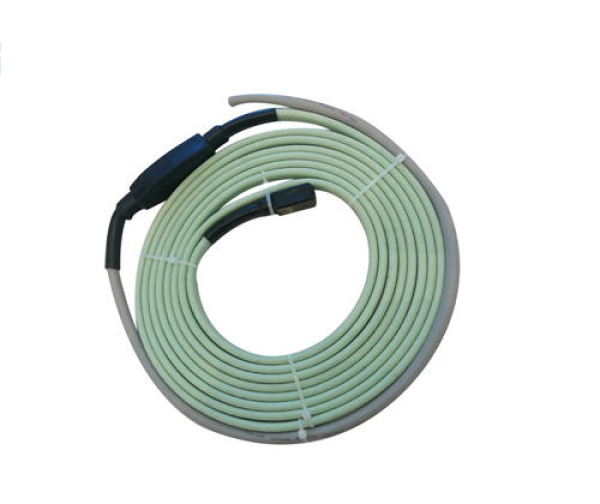
Heavy‑duty petrochemical, ethylene and refining facilities contain high‑temperature process piping, reactor peripherals and instrument tubing exposed to extreme thermal load, mechanical impact and flammable‑gas atmospheres, setting high thresholds for heat‑tracing hardware. MI mineral‑insulated heating cables adopt nickel‑alloy heating conductors compactly insulated by mineral magnesium‑oxide powder enclosed within continuous metal sheaths. This special construction brings outstanding high‑temperature endurance, pressure‑resistance, crush‑resistance and fire‑safety performance. MI cables can maintain stable thermal output under continuous high‑temperature working conditions, and are fully compliant with international hazardous‑area safety specifications. They can be directly applied to high‑heat process lines, furnace auxiliary pipelines and high‑risk sampling points where polymer‑based heating tapes cannot survive. MI‑cable‑based heat‑tracing systems cooperate with explosion‑proof temperature controllers and PT100 RTD sensors to achieve closed‑loop temperature monitoring. Although MI‑cable material and installation costs are relatively higher, its long service lifespan lowers whole‑lifecycle operating expenses for critical high‑risk industrial assets.